
Suicide is a serious global public health problem that affects individuals, families, and communities. According to the World Health Organization (WHO, 2023), more than 700,000 people die by suicide each year, and many more attempt it. It is not simply an act of self-destruction but a complex reaction to emotional pain, psychological distress, and social pressure. Researchers agree that understanding the causes of suicide and promoting prevention strategies are essential steps toward saving lives.
Causes of Suicide
Experts in psychology and psychiatry explain that suicide has multiple causes biological, psychological, and social.
1. Psychological causes:
Mental health disorders, especially depression, are the leading causes of suicide. According to Dr. Aaron Beck (1967), who developed the cognitive theory of depression, suicidal people often experience negative thinking patterns such as hopelessness, self-blame, and helplessness. Dr. Edwin Shneidman (1985), a pioneer in suicidology, described suicide as a result of “psychache,” or unbearable psychological pain. People who suffer from trauma, anxiety, or guilt may feel that death is the only way to stop their suffering.
2. Social and environmental causes:
Social isolation, poverty, family conflicts, or the loss of a loved one can increase the risk of suicide. Studies by Durkheim (1897), a sociologist, showed that suicide rates rise when social bonds are weak a concept he called “anomie.” In modern times, factors such as unemployment, bullying, and domestic violence also contribute to hopelessness and despair. The influence of social media, where people often compare themselves to others, can worsen feelings of inadequacy or rejection.
3. Biological and medical causes:
Some researchers suggest that low levels of the brain chemical serotonin are linked to suicidal behavior. People with chronic illnesses or physical pain are also more vulnerable to suicidal thoughts because of their reduced quality of life and emotional exhaustion.
How to Prevent Suicide
Prevention requires a joint effort from individuals, families, communities, and governments.
1. Early identification and treatment:
Depression and other mental illnesses should be recognized and treated early. Counseling, therapy, and medication can help restore hope and stability. According to WHO (2023), early mental health interventions reduce the risk of suicide by more than 30%.
2. Open communication:
People should be encouraged to talk about their emotions without fear of judgment. Listening to someone who feels hopeless can make a big difference. Schools, workplaces, and families must create safe spaces for open discussion.
3. Education and awareness:
Public education about mental health can break the stigma that prevents people from seeking help. Campaigns such as “World Suicide Prevention Day” remind society that suicide is preventable.
4. Strengthening social support:
Strong family and community ties protect individuals from loneliness. Encouraging friendship, compassion, and community involvement helps reduce isolation.
5. Professional help:
When someone shows signs of suicidal thinking such as withdrawal, giving away possessions, or talking about death it is important to contact a mental health professional immediately. Hotlines and crisis centers can also offer urgent support.
Conclusion
Suicide is a human tragedy rooted in deep emotional suffering. Researchers like Durkheim, Beck, and Shneidman have shown that it is not only a personal issue but also a social and psychological one. Understanding its causes helps us find better ways to prevent it. Every person can play a role in prevention by showing empathy, offering help, and promoting mental well-being. By working together and caring for one another, we can reduce suicide and give hope to those who feel hopeless.
Researcher :Jean de Dieu IRAFASHA
More than 700,000 people die by suicide each year, and many more attempt it.
Suicide is a serious global public health problem that affects individuals, families, and communities
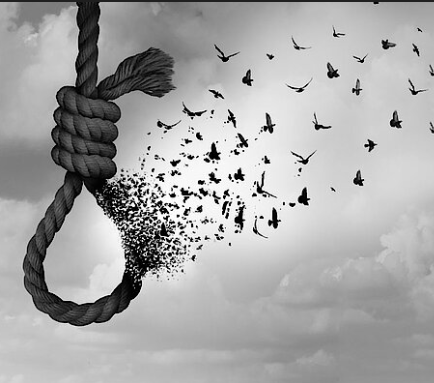
Suicide is a serious global public health problem that affects individuals, families, and communities



Comments